Grading
How NGC Grades Ancient Coins
6 min read · Denari Coins editorial
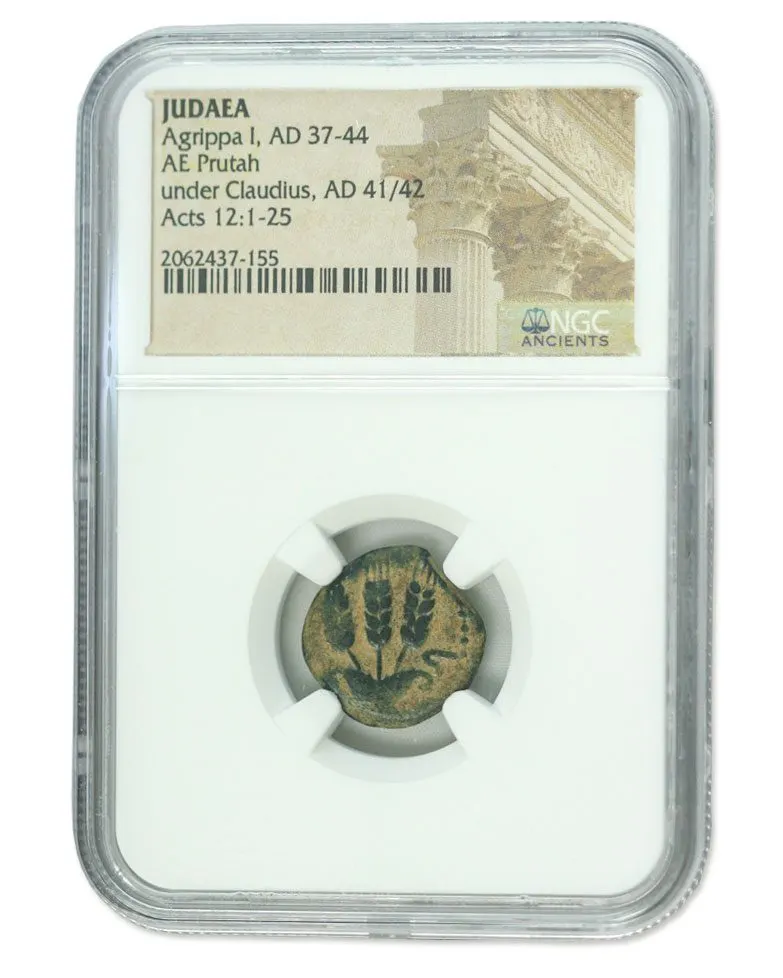
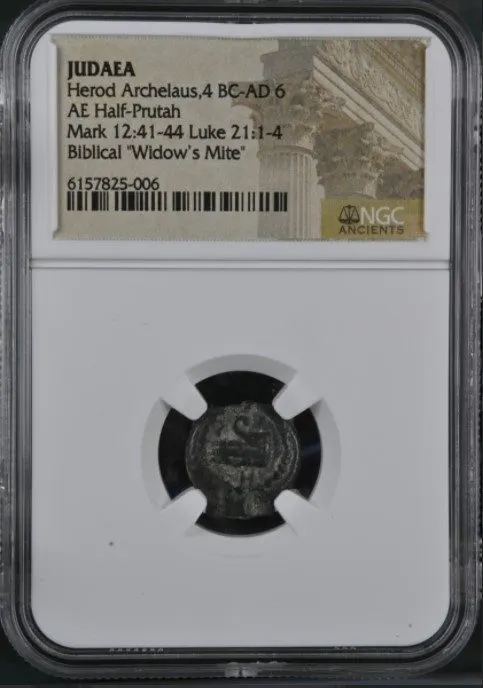
The NGC Ancients label packs a lot into a small slab. Here is how to read every line of it.

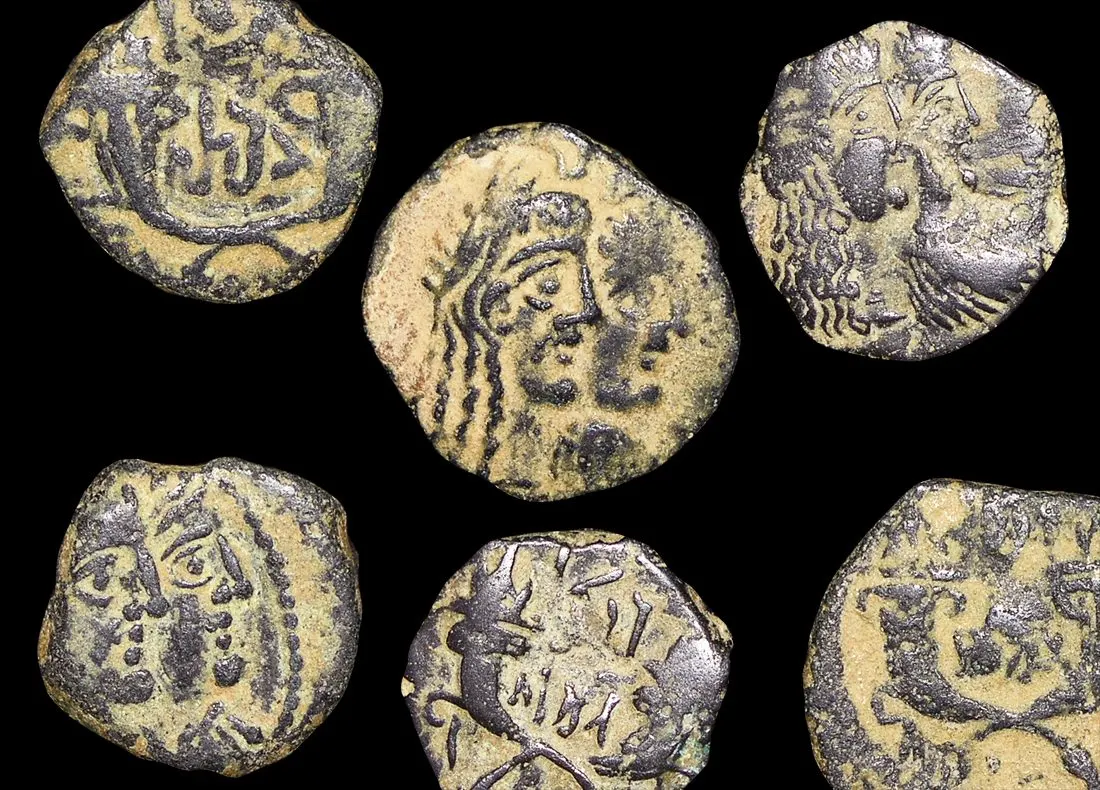
Grading ancient coins is not like grading modern ones. A 2,000-year-old coin was struck by hand, on a flan that was rarely perfectly round, by dies that wore and broke. So NGC Ancients does not assign a single 1–70 number the way it does for U.S. coins. Instead it reports an overall grade plus two separate quality scores — and once you know how to read them, the label tells you almost everything you need before you even see the coin in hand.
The overall grade
The headline grade describes how much wear the coin shows, on the familiar ancient scale: Fair, Good, Very Good, Fine, Very Fine (VF), Extremely Fine (XF), About Uncirculated (AU), Mint State (MS), and the 'Choice' steps in between. For ancients, Mint State means 'as struck, no wear' — it does not promise a flawless coin, because a perfectly struck flan was never the goal of an ancient mint.
Strike and Surface: the two 5-point scores
This is the part new collectors miss. Below the grade, NGC reports Strike and Surface, each on a 1-to-5 scale. Strike measures how completely and sharply the design transferred from the die — centering, detail, and whether the legends are full. Surface measures the condition of the metal itself: smoothness, toning, and the presence of marks, scratches, roughness, or smoothing.
A coin can be a high grade with a weak strike, or a lower grade with a beautiful surface. Two 'VF' coins with the same wear can look completely different — one a sharp 5/5 strike, the other a soft 2/5. Always read the grade and both scores together.
- Strike 5/5 · Surface 5/5 — exceptional; expect a premium.
- Strike 4/5 · Surface 3/5 — a strong, collectible coin at a fair price.
- Surface 2/5 or lower — look closely; it often means smoothing, tooling, or roughness.
The qualifiers that matter most
After the scores, NGC may add comments that materially affect value. 'Fine Style' is a positive note for dies of exceptional artistry and can add a real premium. Less welcome are the surface qualifiers: 'smoothing' (fields lightly reworked), 'tooling' (detail re-engraved — a bigger deduction), 'graffiti', 'scratches', 'edge filing', or 'bent'. None of these make a coin worthless, but they should be priced in.
What slabbing does and doesn't guarantee
An NGC Ancients holder guarantees authenticity and a professional, consistent opinion on grade and quality — which is exactly why certification has become the baseline for buying ancients online. What it cannot do is make a soft strike sharp or a rough surface smooth. Use the label to filter, then judge the coin's eye appeal for yourself from good photos of both sides.
Advertisement
Browsing while you read? See certified coins in our vault →
Tools & references
Grading, supplies, and reference picks from trusted partners. We may earn a commission.
NGC
Submit your coins to NGC for certification
Grading from $23/coin
View at merchantPCGS
Grade & authenticate with PCGS
Tiered grading services
View at merchantWhitman
A Guide Book of United States Coins (the 'Red Book')
From $17.95
View at merchantDansco
Dansco coin albums for U.S. series sets
Albums & supplies
View at merchantAir-Tite
Air-Tite capsules & storage holders
Protect your coins
View at merchantAPMEX
Shop gold & silver bullion at APMEX
Live bullion pricing
View at merchant
New to coins & bullion?
Get our free starter series: the first-coin buyer's guide, how we authenticate every coin we sell, and $10 off your first order. A short email every couple of days — unsubscribe anytime.