History
Biblical & Judaean Coins: From the Widow's Mite to Masada
8 min read · Denari Coins editorial
Few coins carry more story per gram. These are the small bronzes and defiant silvers of first-century Judaea — and collecting them well means collecting them carefully.

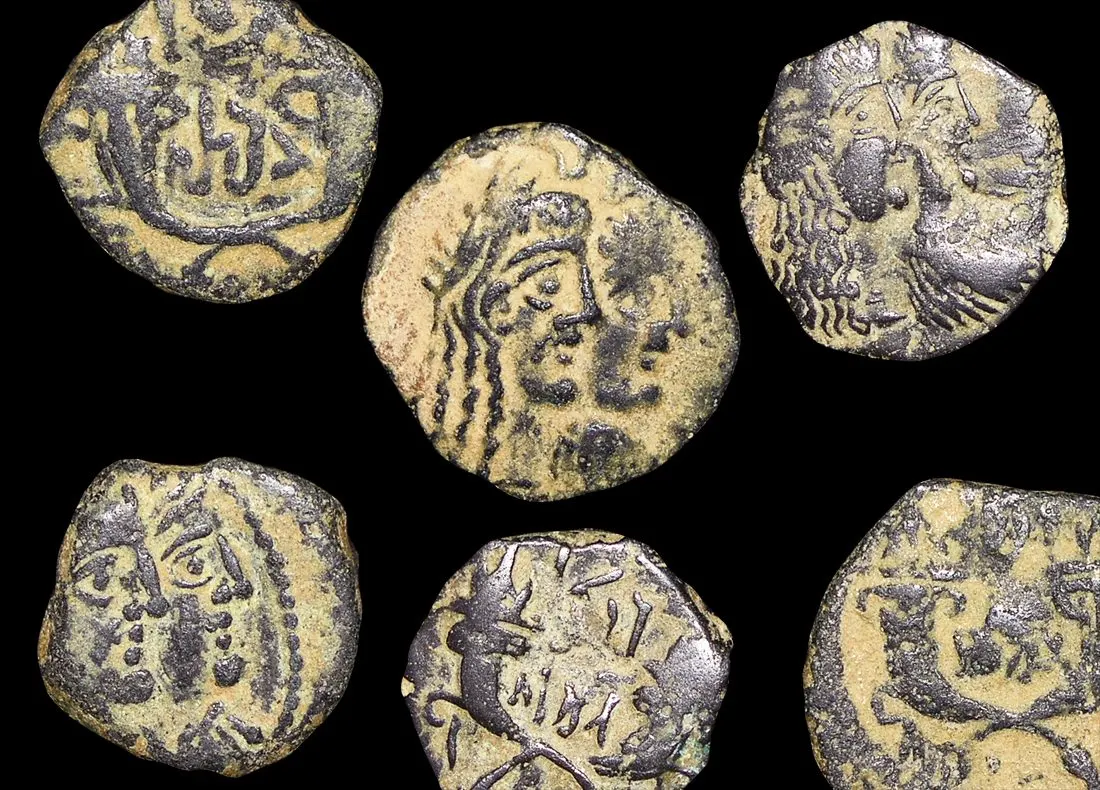
No corner of ancient numismatics is more storied than the coinage of ancient Judaea. These are the coins of the Gospels and of Josephus — the small bronze prutot that changed hands in the Temple, the silver shekels of a doomed rebellion, and the proud, strange coinage of a people minting in defiance of Rome. They are collected as much for what they witnessed as for what they are.
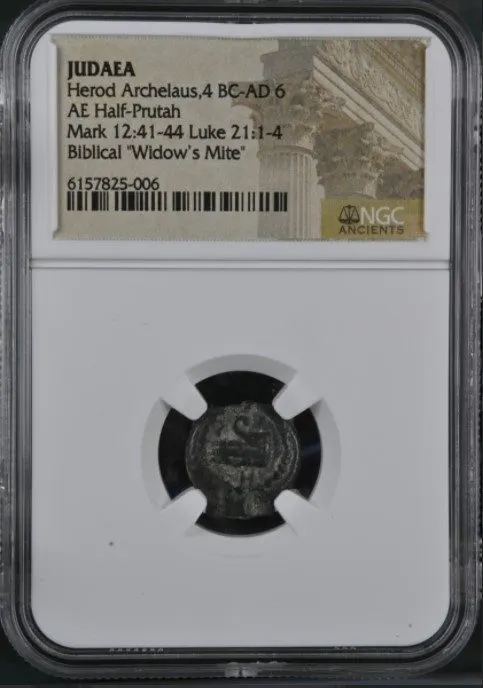
The 'Widow's Mite'
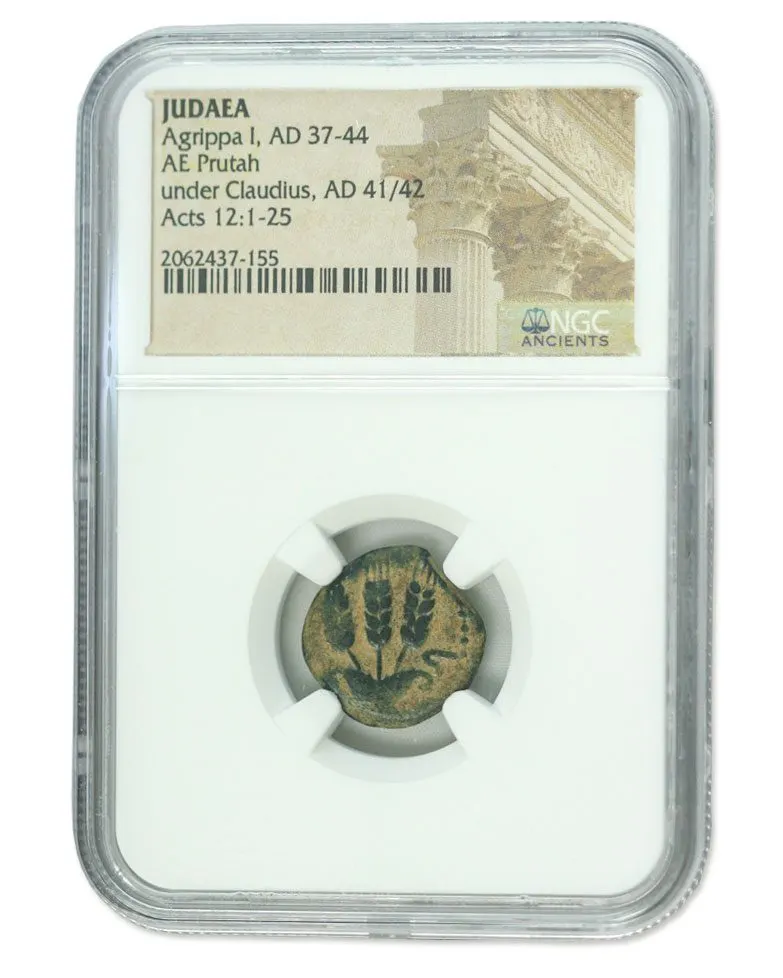
The famous 'widow's mite' of the Gospel of Mark is, in numismatic terms, a prutah (plural prutot) — a tiny bronze coin, often of the Hasmonean kings like Alexander Jannaeus (103–76 BC). They are small, usually crude, and frequently off-centre, with designs like an anchor and a star-wheel. Their fame far outstrips their cost: they remain among the most affordable of all genuinely ancient coins, which is exactly why they are also among the most faked at the tourist level.
The revolt coinage
The dramatic high points are the rebellion coinages. The First Jewish Revolt against Rome (66–70) produced silver shekels and half-shekels bearing a chalice and the sprig of three pomegranates, with legends in palaeo-Hebrew reading 'Shekel of Israel' and 'Jerusalem the Holy' — coins struck by a state at war, ending with the siege of Jerusalem and the last stand at Masada. The later Bar Kokhba Revolt (132–135) overstruck Roman coins with Jewish types, including the Temple façade. These revolt silvers are rare, expensive, and heavily counterfeited.
- Prutot — common, cheap bronze; the 'mites'.
- Procurator & Herodian bronzes — Pontius Pilate, Agrippa I, and others.
- First Revolt silver — shekels and half-shekels (66–70).
- Bar Kokhba — overstruck bronze and silver (132–135); rare.
Collecting responsibly
This series demands more care than most, for two reasons. First, fakes are everywhere — from cheap cast 'mites' sold to pilgrims to sophisticated forgeries of the revolt silver. Second, provenance matters legally and ethically: coins from this region are subject to antiquities laws and import rules, and a documented, pre-existing collection history protects both the object and the buyer. Buy revolt coinage certified, insist on a clear chain of provenance, and favour dealers who know the field. Done right, this is collecting with one foot in the museum.
Advertisement
Browsing while you read? See certified coins in our vault →
Tools & references
Grading, supplies, and reference picks from trusted partners. We may earn a commission.
NGC
Submit your coins to NGC for certification
Grading from $23/coin
View at merchantPCGS
Grade & authenticate with PCGS
Tiered grading services
View at merchantWhitman
A Guide Book of United States Coins (the 'Red Book')
From $17.95
View at merchantDansco
Dansco coin albums for U.S. series sets
Albums & supplies
View at merchantAir-Tite
Air-Tite capsules & storage holders
Protect your coins
View at merchantAPMEX
Shop gold & silver bullion at APMEX
Live bullion pricing
View at merchant
New to coins & bullion?
Get our free starter series: the first-coin buyer's guide, how we authenticate every coin we sell, and $10 off your first order. A short email every couple of days — unsubscribe anytime.