History
Silver to Billon: The Debasement of the Antoninianus
7 min read · Denari Coins editorial
In sixty years the antoninianus went from good silver to a copper coin with a flash of silver on top. You can watch the empire's crisis happen in your hand.

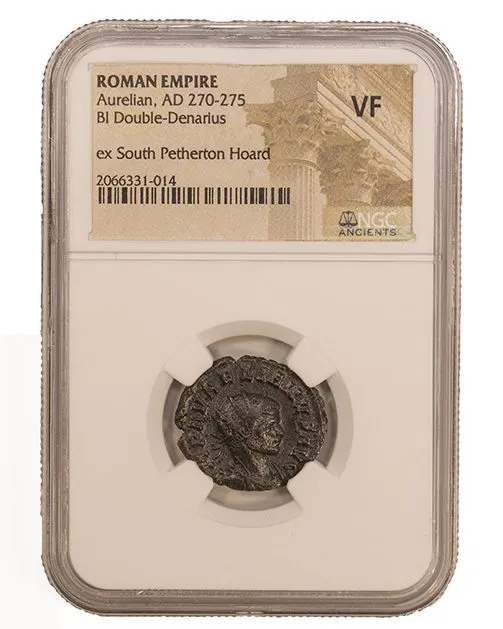
The antoninianus is the coin that lets you hold inflation. Introduced by Caracalla around 215, it was a large silver piece — marked as a double denarius by the radiate crown on the emperor's head — but it never contained two denarii of silver. From that slightly dishonest start, it spent the third century losing metal until, by the 270s, it was essentially a bronze coin given a thin silver wash. Following that decline is one of the most tangible history lessons in all of numismatics.
What 'billon' means
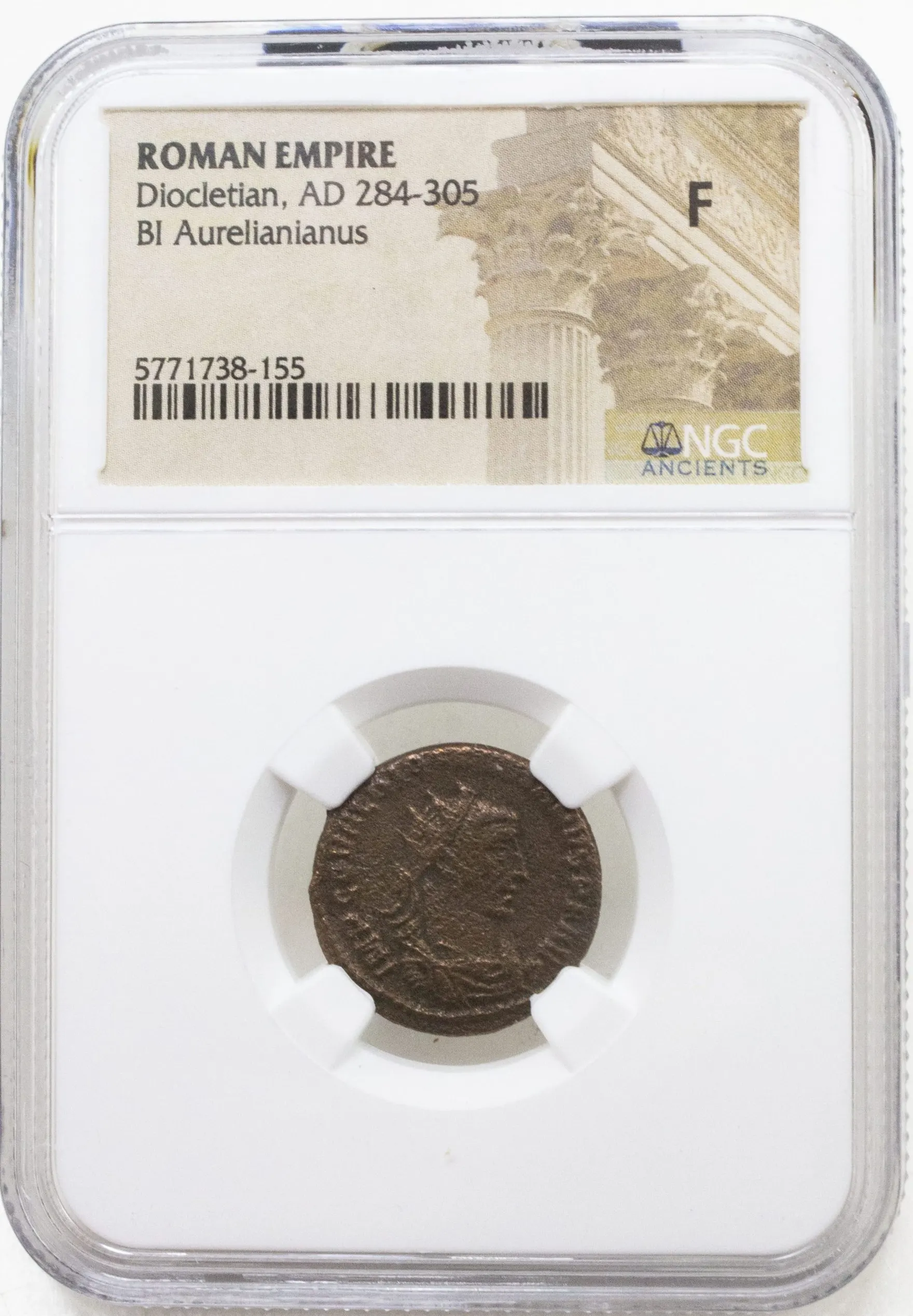
Billon is an alloy of silver and copper in which copper dominates — typically under 50% silver, often far less. The early antoninianus was respectable billon or low silver; the late ones are billon in name only, perhaps 2–5% silver, with the precious metal driven to the surface during manufacture to make the coin look silver when new. That surface layer is the 'silvering', and its survival is a major factor in a late antoninianus's appeal today.
The slide, decade by decade
Under Caracalla and Elagabalus the coin still looked and felt like silver. Through the 240s and 250s — Philip I, Trajan Decius, Valerian — the alloy thinned steadily as the empire paid for endless frontier wars and civil strife. The collapse came under Gallienus (sole reign, 260–268), whose late antoniniani are small, crude, and clearly copper with at best a trace of silver. Aurelian's reform of 274 stabilised things with a better, marked coin (the XXI or KA pieces), but the era of good silver was over.
- c. 215–240 — good silver to high billon; heavy, bright coins.
- c. 240–260 — visibly debased; greyer metal, lower weight.
- c. 260–274 — copper with silvering; the crisis at its worst.
- 274 onward — Aurelian's reform; a controlled billon standard.
Spotting the difference in hand
Weight and colour tell the story. An early antoninianus is heavier and rings with the bright white of real silver, often toning to grey. A late one is lighter, and where the silvering has worn it shows the warm orange-brown of copper underneath — frequently surviving only in the protected recesses around the legends and portrait, leaving a 'ghost' of silver in the devices. A coin that retains full original silvering across smooth fields is genuinely scarce and commands a premium. When you see one late antoninianus next to an early one, the empire's sixty-year decline is obvious at arm's length.
Advertisement
Browsing while you read? See certified coins in our vault →
Tools & references
Grading, supplies, and reference picks from trusted partners. We may earn a commission.
NGC
Submit your coins to NGC for certification
Grading from $23/coin
View at merchantPCGS
Grade & authenticate with PCGS
Tiered grading services
View at merchantWhitman
A Guide Book of United States Coins (the 'Red Book')
From $17.95
View at merchantDansco
Dansco coin albums for U.S. series sets
Albums & supplies
View at merchantAir-Tite
Air-Tite capsules & storage holders
Protect your coins
View at merchantAPMEX
Shop gold & silver bullion at APMEX
Live bullion pricing
View at merchant
New to coins & bullion?
Get our free starter series: the first-coin buyer's guide, how we authenticate every coin we sell, and $10 off your first order. A short email every couple of days — unsubscribe anytime.