Collecting
Your First Ancient Coin: A Buyer's Guide
7 min read · Denari Coins editorial
For the price of a nice dinner you can hold something that passed through Roman hands seventeen centuries ago. Here is how to make the first one a good one.
New collectors are often astonished to learn that genuine ancient coins — actual Roman silver, actual bronze from Constantine's mints — are not locked away in museums or priced like sports cars. Rome struck coins in the hundreds of millions, hoards are still unearthed every year, and the result is a supply generous enough that a well-chosen first ancient costs less than most modern collectibles. The challenge isn't affordability. It's knowing what 'well-chosen' means.
Pick a lane, not just a budget
The ancient series is vast — a thousand years of emperors, cities, and denominations — and browsing it without a filter is overwhelming. The fix is to pick one thread and pull it: a ruler whose story grabs you, a reverse type you find beautiful, a metal, a century. A collector who decides 'I want one honest silver coin of an emperor I've actually heard of' will buy better than one who is simply shopping for 'an ancient coin'. The thread can change later; every serious collection started as one coin with a reason behind it.
What your money actually buys
Rough bands, assuming attractive, problem-free coins from a reputable dealer:
- Under $75 — late Roman bronzes (Æ3s of the House of Constantine, soldiers-and-standards types), often with sharp portraits and traces of original silvering.
- $75–200 — choice bronzes with strong strikes, silvered antoniniani of third-century emperors like Gordian III or Philip I, and attractive Roman provincial coins.
- $200–500 — genuine silver denarii of famous names — Septimius Severus, Caracalla, Elagabalus — in Very Fine or better, and certified examples of all of the above.
Certified or raw?
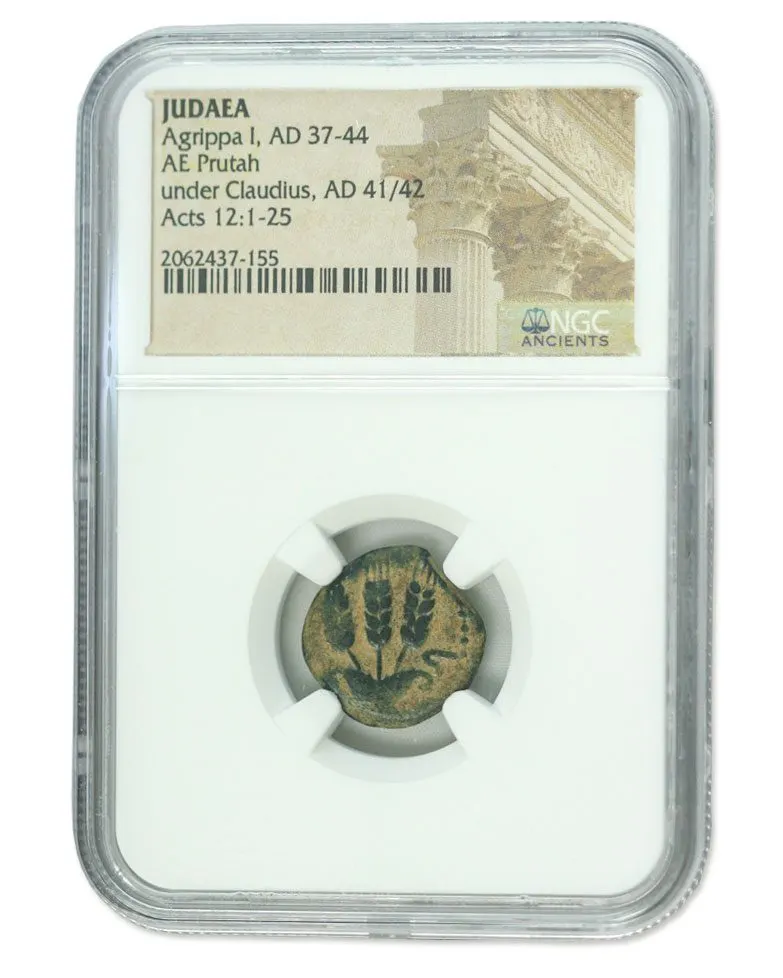
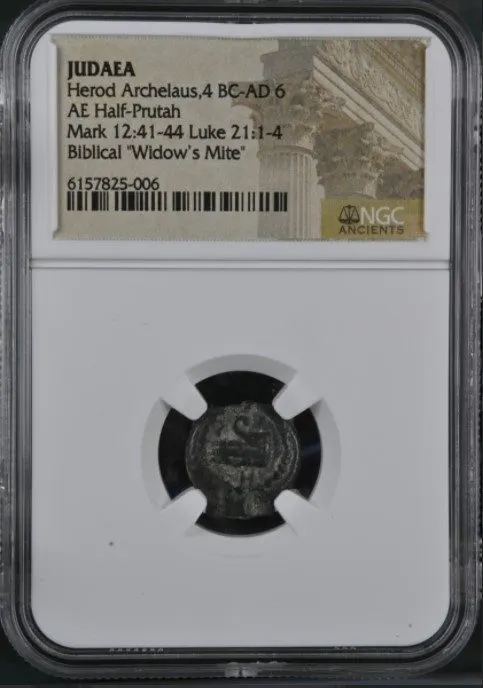
Experienced collectors happily buy raw (unslabbed) ancients from dealers they trust — and for your first purchases online, certification is the sensible shortcut. An NGC Ancients holder settles the authenticity question professionally and gives you a consistent read on quality: an overall wear grade plus separate 1–5 scores for strike and surface. Those two little numbers do a lot of work, and learning to read them is the fastest way to train your eye. We've written a full guide to how NGC grades ancient coins — read it before you compare listings and the labels will start talking to you.
Reading a listing like a collector
A trustworthy ancient-coin listing tells you things a souvenir listing doesn't. Look for the coin's diameter and weight (serious sellers always measure), sharp photos of both sides, an attribution to a standard reference (a 'RIC' number for Roman imperial coins), the mint where it was struck, and a plain-language note of any problems — smoothing, scratches, flan cracks. Above all, buy from a source that guarantees authenticity without a time limit and stands behind it in writing. Be wary of two things at the cheap end: 'uncleaned lots' hyped as treasure hunts (the good coins were picked out long before the lot reached you) and prices dramatically below market for famous types — in ancients, the too-good deal is the classic fake.
Three excellent first coins
If you want a shortlist instead of a search, these three are the classic on-ramps — abundant enough to buy well, historical enough to matter:
- A GLORIA EXERCITVS bronze of Constantine the Great or his sons — two soldiers, two standards, struck in the decade Christianity went imperial.
- A silvered antoninianus of Gordian III — a big, bright, portrait-forward coin of a teenage emperor, routinely affordable in Extremely Fine.
- A silver denarius of Septimius Severus — real imperial silver from the emperor who died campaigning in Britain, honest Very Fine examples within a modest budget.
Start looking
Every coin in our shop is certified, photographed both sides, and guaranteed genuine — browse the current selection of ancients and see what pulls at you. And if the first coin leads to a fifth and a fiftieth, we'll be glad to have been the enablers.
Advertisement
Browsing while you read? See certified coins in our vault →
Tools & references
Grading, supplies, and reference picks from trusted partners. We may earn a commission.
NGC
Submit your coins to NGC for certification
Grading from $23/coin
View at merchantPCGS
Grade & authenticate with PCGS
Tiered grading services
View at merchantWhitman
A Guide Book of United States Coins (the 'Red Book')
From $17.95
View at merchantDansco
Dansco coin albums for U.S. series sets
Albums & supplies
View at merchantAir-Tite
Air-Tite capsules & storage holders
Protect your coins
View at merchantAPMEX
Shop gold & silver bullion at APMEX
Live bullion pricing
View at merchant
New to coins & bullion?
Get our free starter series: the first-coin buyer's guide, how we authenticate every coin we sell, and $10 off your first order. A short email every couple of days — unsubscribe anytime.